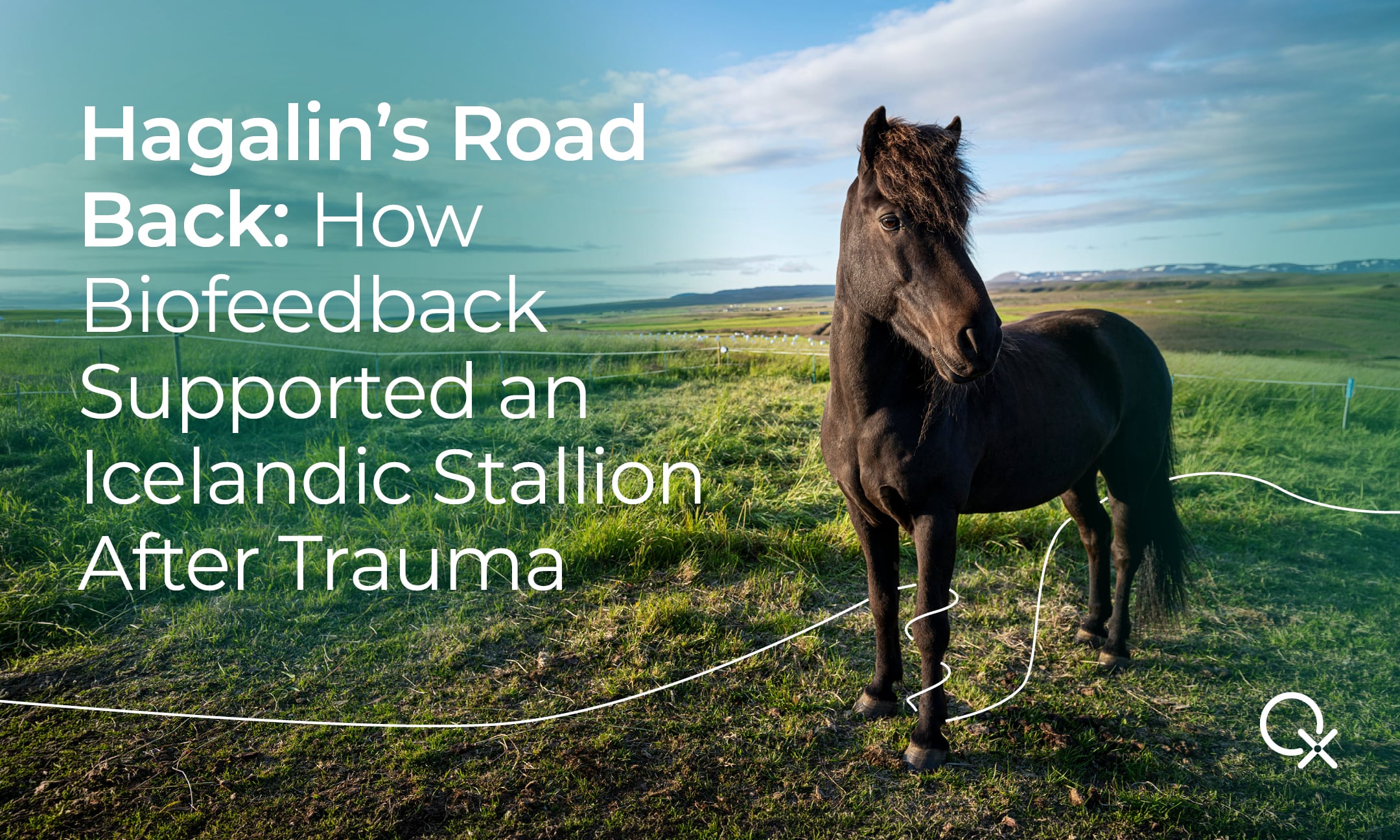

Hagalin is a 6 year old Icelandic stallion living on a stud farm. His owner is a half professional experienced rider.
The Accident and the Beginning of the Recovery Journey
I was called out because Hagalin had had an accident in the trailer. His right front leg had been stuck in the rope while they were driving so he fell on his left side in the trailer still with his right front leg caught in a kind of up-right position. He had stall rest and treatment with non-steroid pain killers for a month. Then he began some very light work and returned to the paddock again. 4 months later he was still slightly lame on the right front leg and he was stressed. He was constantly seeking to bite something, and his owner was afraid of riding him also.
A Holistic Wellness Support Approach with NOAH
I did chiropractics and soft tissue work and we decided to do NOAH also, primarily to help with trauma and stress release both generally and the shoulder area. Additionally, I would like to see if there was some hints in NOAH in relation to a possible stomach ulcer.
Emotions were dominating the NOAH result but also imbalance in stomach, bowels, malabsorption of nutrients and anemia was present.
He was trained according to shock, emotional trauma, emotional balancing, physical trauma, stomach ulcer, immune system, chakra balancing, shoulder area (acupuncture program) and auto zap bowel flora for mental health.
Additionally, I prescribed herbs “DiVet from VetCur” to assist the digestion and bowel flora and “CelVet” containing mineral salts to assist the healing of the stomach and bowel lining.
Changes Observed After the Sessions
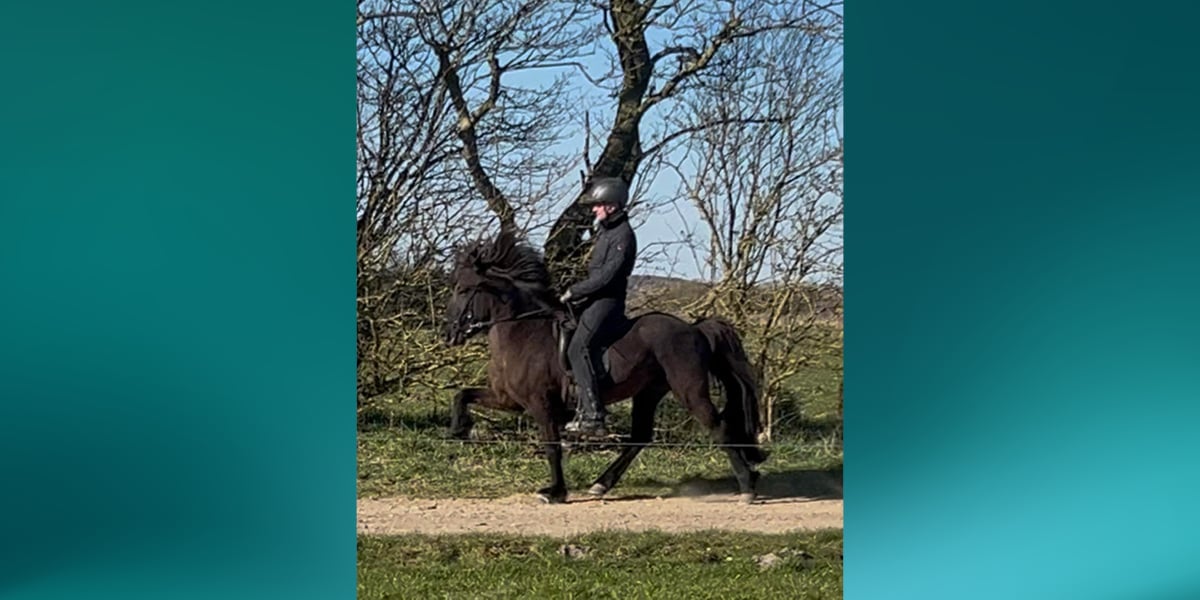
2 weeks later the owner sends me a photo of her riding him. He is not lame anymore and he is much softer mentally, so she is not afraid of him anymore.
I have just seen him again – 6 months later – and he has been ridden since and both mentally and physically developed very well. The examination did not relieve anything (subluxations/tension/soreness) of the former trauma. He only had this single treatment…
Possible Factors Behind Prolonged Recovery After Trauma
Physical injuries in animals do not always affect only the body. After an accident or stressful event, some horses may continue to show signs of tension, discomfort, behavioral changes, or reduced performance long after the visible injury appears to improve.
In many cases, recovery may involve more than the physical structures alone. Emotional stress, environmental pressure, changes in routine, digestive imbalance, muscular compensation patterns, and nervous system overload may all influence how an animal feels and behaves during the healing process.
Horses are highly sensitive animals, and stressful experiences may sometimes contribute to ongoing tension, reactivity, or changes in behavior. This is one reason why some owners choose to explore supportive wellness approaches alongside conventional care and rehabilitation.
Learn more about Animal Wellness
Why Emotional Stress May Matter in Horses
Stress responses in animals can appear in many different ways. Some horses may become more reactive, tense, defensive, withdrawn, or sensitive after a traumatic experience. Others may develop behavioral changes that seem disconnected from the original event.
Long periods of stress may also influence relaxation, digestion, focus, recovery, and overall wellbeing. Because the nervous system and the body work closely together, emotional tension may sometimes contribute to physical compensation patterns as well.
Supporting relaxation and emotional balance may therefore play an important role in helping animals return to a calmer and more balanced state.
How NOAH Was Used in This Case
In this case, NOAH was used as part of a broader holistic wellness support approach together with hands-on work, recovery support, and nutritional guidance.
The focus of the session was not only the physical trauma itself, but also the possible stress and emotional tension connected to the accident and recovery period. Areas related to emotional balance, relaxation support, digestive wellbeing, energetic balance, and overall recovery support were included during the process.
The goal was to support the horse’s overall wellbeing and help encourage a calmer, more balanced state during recovery.
ΣΥΧΝΈΣ ΕΡΩΤΉΣΕΙΣ
Can emotional stress affect horses after an accident?
Some horses may continue to experience stress, tension, behavioral sensitivity, or changes in confidence even after the initial physical injury has improved. Emotional wellbeing may play a role in overall recovery and behavior.
Why may a horse stay tense after physical healing?
Recovery is not always only physical. Stress responses, nervous system tension, changes in movement patterns, or emotional sensitivity after trauma may sometimes contribute to ongoing tension or behavioral changes.
What is holistic animal wellness support?
Holistic wellness support looks at the animal as a whole and may include factors such as relaxation, emotional balance, physical wellbeing, environment, nutrition, and stress management.
How may relaxation support recovery in animals?
Relaxation and reduced stress may help support overall wellbeing, comfort, focus, and balance during recovery periods. Many owners explore calming and supportive wellness approaches alongside traditional care.
Is NOAH intended to diagnose or treat disease?
NOAH is not intended to diagnose, treat, cure, or prevent disease. It is used as a holistic wellness support approach focused on balance, relaxation, and overall wellbeing.