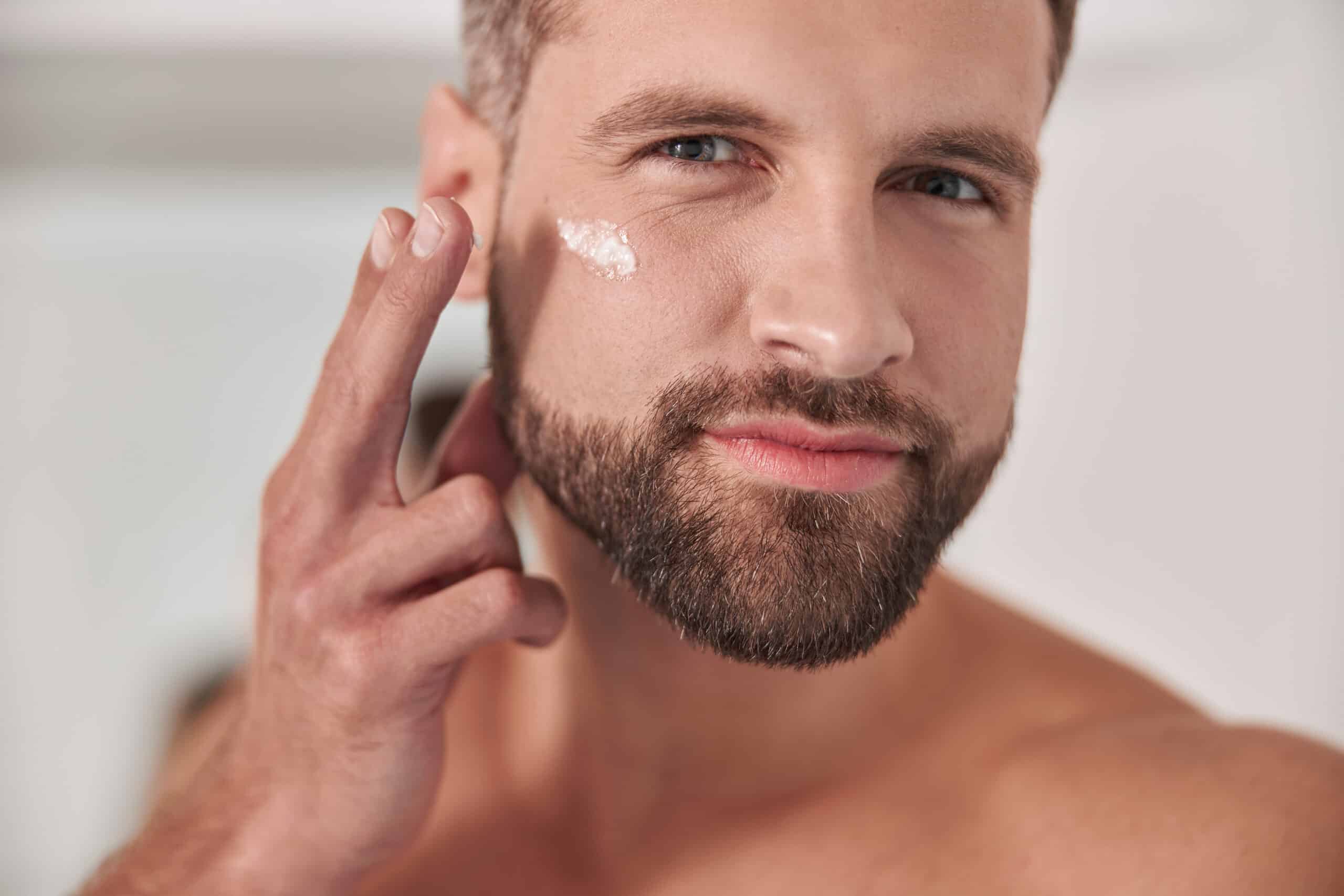
How to Improve Skin Elasticity and Face Texture Naturally

Non-invasive beauty wellness technology used for holistic skin appearance support

Changes in the skin are often among the first visible expressions of what the body has been carrying, whether stress, fatigue, dehydration, hormonal shifts, emotional strain, environmental exposure, or life transition.


We often view the skin as something to correct from the outside, but its appearance is often connected to something deeper than skincare products alone can address. Uneven texture, tired-looking skin, reduced firmness, or dullness do not mean the skin is flawed. They may simply reflect the natural ways the body responds to stress, age, lifestyle, transition, and care.


True skincare should feel like care, not obligation. Not every product marketed as skincare is suitable for every person; some formulas may be too harsh, too active, overly fragranced, or simply mismatched to the individual’s needs. A holistic approach invites discernment: fewer unnecessary products, gentler choices, and more attention to how the skin responds, and to what the body may be expressing through it.


The goal is not perfection. The goal is support, balance, and a refreshed appearance that feels natural.

Why Skin Can Look Tired, Uneven or Less Refreshed

The skin may gradually lose some of its brightness, smoothness, firmness, or even tone, sometimes appearing dry, dull, uneven, or slightly rough. Because these changes often develop slowly, they may go unnoticed at first. By the time they become visible, it can feel as though the skin has changed suddenly or dramatically, even though the process may have been building over time.


The reasons for these changes are always individual. In many cases, uneven or textured facial skin does not come from one single cause, but reflects several small influences accumulating gradually, including:

  • Poor or disrupted sleep
  • Uitdroging
  • Roken
  • Stress and emotional overload
  • Harsh skincare products
  • Milieublootstelling
  • Natural aging
  • Hormonal transitions
  • Lack of gentle exfoliation
  • Low energy or fatigue
  • Negative self-talk and mirror criticism

But it is important to remember that real skin has texture. Pores, fine lines, and slight unevenness are normal; they are part of who we are and part of the story our bodies carry. Filtered images and edited beauty content can make natural skin look like a problem, when in truth the issue is often not the skin itself, but the unrealistic standard it is being compared to.


So if you are asking why is my skin so textured, try shifting from criticism to curiosity. Instead of “How do I fix my skin?” ask, “What kind of support does my skin need right now?” That small emotional shift can make self-care feel gentler and more consistent.

The Link Between Stress, Lifestyle and Skin Appearance

Stress can affect sleep, hydration, food choices, facial tension, and daily care habits. It can also make people more critical of their reflection, which may turn beauty routines into pressure rather than support.


During stressful seasons, the skin may appear dull, uneven, tired, or less resilient. While topical products can support the surface, it is often helpful to look at the whole picture: rest, recovery, emotional regulation, hydration, movement, and daily rhythm.


A balanced beauty routine may include:

  • Gentle, suitable skincare
  • Better sleep habits
  • Consistent hydration
  • Ontspanningsoefeningen
  • Supportive movement
  • Time away from overstimulation
  • Kinder self-talk

How to Support Skin Elasticity and a Refreshed Look Naturally

Skin elasticity refers to the skin’s ability to appear firm, flexible, and resilient. It is closely connected to collagen and elastin, two proteins that help give skin structure and bounce. As we age, natural collagen production gradually changes, and factors such as stress, sleep quality, hydration, lifestyle habits, environmental exposure, and emotional wellbeing can all influence how firm or refreshed the skin appears.


Skin elasticity is rarely about one product, ingredient, or routine alone. Lifestyle factors as mentioned before all play a roleSome people explore active ingredients such as retinol or vitamin C to support brightness, texture, firmness, or uneven tone. However, these ingredients are not suitable for everyone and may irritate sensitive, reactive, or barrier-compromised skin.


A holistic approach begins with the foundations: rest, hydration, nourishment, emotional balance, gentle care, and choosing products or technologies that genuinely suit your individual needs.

Hydration

Hydration is a simple foundation. Dehydrated skin may look dull, tight, or less smooth. Drinking water, eating water-rich foods, and using gentle moisturizers may support a softer, fresher appearance.

Quality Sleep

Sleep is one of the most important beauty habits. Poor sleep can make the face look tired and may affect how firm or refreshed the skin appears. A calmer evening routine, softer lighting, less screen time before bed, and a regular sleep rhythm can support both the skin and the nervous system.

Gentle Movement

Movement supports circulation, oxygen flow, energy, and body confidence. Gentle activities such as walking, stretching, yoga, or light strength work can help bring fresh blood flow and oxygen to the tissues, support lymphatic movement, and reduce physical tension.


Movement also influences the fascia, the connective tissue that surrounds and supports the muscles, skin, and organs. When the body is stiff, stressed, or inactive, the fascia can feel tight and restricted. Gentle movement helps the body feel more open, fluid, and alive. As circulation improves and tension softens, the face and body appear more relaxed, balanced, and refreshed.

Gentle Skincare

A gentle, consistent routine may be more supportive than an aggressive one. Cleansing should respect the skin’s natural balance, moisturizing should help maintain comfort, and exfoliation, if used, should be approached carefully rather than forcefully. Harsh scrubbing or too many active products can leave the skin feeling more reactive, dry, or uneven. When the skin appears unsettled, it may be worth asking whether the routine is truly supporting it — or whether it has become too harsh, complicated, or inconsistent.

Holistic Beauty Is About More Than Skin Alone

Holistic beauty care is not only about the surface of the skin. It is also about energy, emotions, confidence, acceptance, and how safe someone feels in their own body. True beauty deepens when we stop treating the body as something to constantly correct and begin meeting it with respect, patience, and a sense of belonging. Acceptance does not mean giving up on care; it means creating a softer place from which care can begin.


People are often focused on face texture, firmness or visible signs of tiredness, but beauty confidence is also shaped by self-perception. A person may have a good skincare routine and still feel disconnected from their appearance if they are emotionally exhausted or constantly self-critical.


This is especially important during life transitions, as skin changes during aging, stress, postpartum recovery, perimenopause, menopause, grief, illness recovery, seasonal shifts or emotional growth. These changes can feel personal because the face is how we meet the world.


A change in face and skin texture does not mean you have lost your beauty. A season of bumpy textured skin does not define your worth. Your body is adapting. Sometimes the most supportive response is patience rather than panic.


Holistic beauty care encourages you to:

  • Care for the skin without attacking it
  • Be gentle during transitions
  • Build routines that feel realistic
  • Support the body with rest and nourishment
  • Use beauty care as self-respect, not punishment
  • Remember that real skin has texture, scars, marks, lines, and imperfections.
  • Remember that healthy skin does not mean flawless skin, and beauty does not require perfection.

how-to-improve-skin-elasticity-holistic-beauty

Emotional Balance, Self-Talk and Skin Confidence

Emotions can influence how we carry ourselves and how we care for ourselves. Tension may show in the jaw, forehead, eyes or posture. Emotional overload may make the face look tired. Self-criticism can turn beauty routines into pressure.


If you repeatedly think and say to yourself, “My skin looks terrible,” self-care can become stressful. Over time, this can create a cycle of frustration and harsh mirror-talk. A more supportive approach is to replace criticism with compassionate observation.


Try shifting your self-talk:

  • “My skin may need rest.”
  • “My face texture does not define my beauty, it is apart of it.”
  • “I care for my skin without attacking it.”
  • “My body is allowed to change.”
  • “This is a transition, not a failure.”
  • “I support myself gently today.”

This does not mean pretending you love every change immediately. It means creating an emotional environment where self-care feels kinder and more sustainable.


If you keep ask why is my skin so textured, try adding compassion to the question: “What support might my skin and body need right now?”

Non-Invasive Beauty Support and Wellness Technology

People are increasingly seeking beauty support that feels gentle, intelligent, and non-invasive. Rather than aggressive correction, they may prefer approaches that support relaxation, body awareness, emotional balance, and overall wellbeing while helping them feel refreshed.


Non-invasive beauty support may include gentle skincare, massage, relaxation practices, frequency-based wellness tools, and emotional self-care.


This matters because beauty concerns are rarely surface-only. Someone may focus on the skin, while the deeper need may be rest, confidence, emotional regulation, or reconnection with the body.


Non-invasive support may focus on:

  • Relaxation
  • Skin appearance support
  • Emotional balance
  • Body awareness
  • Confidence and connection
  • A refreshed look and feeling of ease

For bumpy textured skin or uneven face texture, wellness technology can be part of a broader routine

How SENSO May Support Skin Texture, Confidence and Overall Balance

SENSO is a QX World wellness program designed around quantum biofeedback principles. In holistic beauty, SENSO may support relaxation, self-awareness, emotional balance and overall wellbeing as part of a non-invasive self-care routine.


This matters because beauty concerns are often connected to how people feel in their skin. When someone focuses on skin texture or a less refreshed appearance, they may not only be looking for smoother-looking skin. They may also be seeking reassurance, confidence, emotional ease, and a calmer relationship with their reflection.


SENSO is designed to “listen” first through biofeedback-based wellness principles. It may help identify patterns of stress or imbalance and support a more personalized wellness experience. Rather than addressing beauty as surface-only, SENSO fits into a wider view of face and body wellness.


SENSO supports:

  • Relaxation
  • Emotional balance
  • Self-awareness
  • A refreshed feeling
  • Confidence
  • Body awareness
  • A gentler relationship with change
  • A firmer, more refreshed-looking appearance
  • Support for skin tone, texture, and vitality

For people concerned about uneven or textured skin, SENSO can be part of a wider beauty and wellness plan, alongside gentle skincare, healthy lifestyle habits, and professional guidance when needed. Rather than focusing only on the surface, it supports both the visible and emotional sides of beauty – including the desire for skin that appears more toned, refreshed, and supported, as well as the inner balance connected to stress, confidence, relaxation, and feeling more at ease in one’s own skin.


For someone exploring how to improve skin elasticity naturally, SENSO may be included as part of a broader beauty and wellness routine. Its role is not to force change from the outside, but to support the body’s own balancing processes through a combination of wellness technologies.


SENSO combines supportive technologies such as quantum biofeedback, microcurrents, PEMF, and harmonic frequency programs to create a personalized, non-invasive beauty and wellness experience.


Microcurrents support cellular communication and skin vitality. PEMF supports relaxation and energetic rhythm. High and harmonic frequencies are used to encourage clarity, calm, emotional balance, and inner alignment.


Together, these technologies create a non-invasive beauty experience that works beyond the surface. Rather than treating skin elasticity or facial texture as isolated concerns, SENSO supports the wider internal environment connected to stress, confidence, recovery, and wellbeing. The intention is to create supportive conditions for a more refreshed appearance, improved skin vitality, and a deeper sense of balance from within.

A Simple Holistic Beauty Routine

When the skin feels uneven, tired, or less resilient, a supportive routine should care for both the skin and the nervous system.


Daily basics:

  • Drink water, optionally with lemon and a small pinch of natural salt if appropriate
  • Use gentle, minimal skincare
  • Practice natural sun awareness with shade, hats, or protective clothing when needed
  • Move gently and take screen breaks
  • Avoid picking, harsh scrubbing, or overusing strong products
  • Eat nourishing foods and prioritize rest
  • Take two minutes for slow breathing
  • Replace mirror criticism with one supportive thought

Weekly support:

  • Review stress, sleep, and skin patterns
  • Use gentle exfoliation only if it suits your skin
  • Schedule real rest
  • Consider wellness support such as SENSO
  • Reflect on life transitions with compassion

This routine is not about perfection. It is about consistency, gentleness, and listening to what the body may be expressing through the skin.

Frequently Asked Questions

What helps skin elasticity naturally? If you are researching what helps skin elasticity, start with hydration, quality sleep, natural sun awareness, nourishing food, gentle movement, stress reduction and consistent skincare. Learning how to improve skin elasticity naturally is about building supportive habits over time.


Why does my skin sometimes look textured or tired? Many people ask why is my skin so textured when they notice roughness, pores, dryness or uneven tone. Skin may look textured due to stress, dehydration, lack of sleep, harsh skincare, environmental exposure, aging or hormonal transitions.


Can stress affect skin appearance? Yes. Stress can affect sleep, hydration, food choices, facial tension and skincare consistency. It may also make people judge their face texture more harshly.


What are examples of emotional regulation techniques? Slow breathing, grounding, journaling, meditation, gentle movement, calming music, time outdoors, reducing mirror checking and taking breaks from overstimulation.


What is non-invasive beauty support? Non-invasive beauty support refers to gentle approaches that support appearance, relaxation and wellbeing without aggressive procedures. This may include skincare, massage, relaxation practices and wellness technology such as SENSO.


How can wellness technology support self-care? Wellness technology supports relaxation, self-awareness and emotional balance. SENSO may be used as part of a holistic beauty routine to support calm, confidence and a refreshed feeling.

Final Takeaway: Refreshed Skin Begins With Whole-Person Care

Questions about uneven skin texture, skin elasticity, and a smoother-looking complexion are not superficial. They deserve to be answered with context and depth, because they often reflect a deeper desire to feel refreshed, confident, balanced, and comfortable in your own skin. A holistic beauty approach does not ignore the skin, nor does it treat it as something to correct in isolation. It listens to it – as part of the body’s wider expression of stress, care, transition, and wellbeing.


Bumpy textured skin, reduced firmness, tired-looking skin, and other changes in appearance are often influenced by a constellation of factors rather than one single cause. Supporting the skin naturally means supporting the whole person, not treating the skin as separate from the body, emotions, and life it belongs to.


SENSO may be a valuable part of this broader approach. As a QX World wellness program it is designed to support relaxation, emotional balance, self-awareness, energetic coherence, and a refreshed sense of wellbeing. The elements within the SENSO program are designed to support coherence between body, mind, and energy while encouraging calm, confidence, skin vitality, and inner alignment.


Your skin, body, and reflection will change through seasons, stress, healing, age, and life experience. But change does not need to be met with criticism. It can be met with gentleness. When you support yourself through transition instead of fighting yourself through it, beauty becomes less about control and more about connection, adaptation and acceptance. And when inner harmony returns, beauty follows naturally.


To explore more about QX World and the principles behind quantum biofeedback wellness technology, visit: https://www.qxworld.eu/quantum-biofeedback/.

Mis het laatste nieuws van QX World niet. Abonneer u op onze nieuwsbrieven!
Door op "Abonneren" te klikken, gaat u akkoord met ons privacybeleid Dit houdt in dat wij uw gegevens opslaan en verwerken om u de gevraagde informatie te kunnen verstrekken.

Deel dit verhaal, kies je platform: