One of my first “guinea pigs” when I began working with NOAH and quantum biofeedback was my mother’s dog, Nahla. Nahla is now a 4.5-year-old Australian Shepherd.
Nahla’s Story: A Young Dog with Early Orthopedic Challenges
My mother is an important part of this story. She is 82 years old and, although she is doing remarkably well—with no medications, no diagnoses, and, according to Omnis, a “robust constitution” (which I often tease her about)—she has limited mobility and is quite passive. She is very much a “dog person,” and I cannot imagine her without a dog. Nahla was carefully selected as a puppy because of her calm and confident temperament.
Living with Long-Term Mobility Challenges
A few months later, she became severely lame again. This time, both the cranial and caudal cruciate ligaments were ruptured. At one year of age, radiographs were taken once her growth rate had slowed. These already showed damaged menisci and the presence of osteophytes. She continued to experience intermittent front limb lameness as well, although elbow radiographs were considered reasonably acceptable.
Trying Different Support Options Before NOAH
From a veterinary standpoint, I advised my mother that euthanasia might be the most humane option. However, mothers listen to daughters about as well as daughters listen to mothers, so we decided to try every available option. Over time, Nahla received homeopathy, glucosamine, MSM, chondroitin sulfates, herbal support, infrared therapy, fascia therapy, craniosacral therapy, acupuncture, conventional analgesics, and strict activity restriction on leash only.
With these measures, she occasionally improved to grade 1–1.5 out of 5 lameness, but the improvement rarely lasted more than a few weeks before she became non-weight-bearing again. Without functional cruciate ligaments, the stifle joint remained highly unstable and easily re-traumatized. Additionally, she was unable to compensate through her front limbs without exacerbating pain there as well.
When NOAH Became Part of the Support Plan
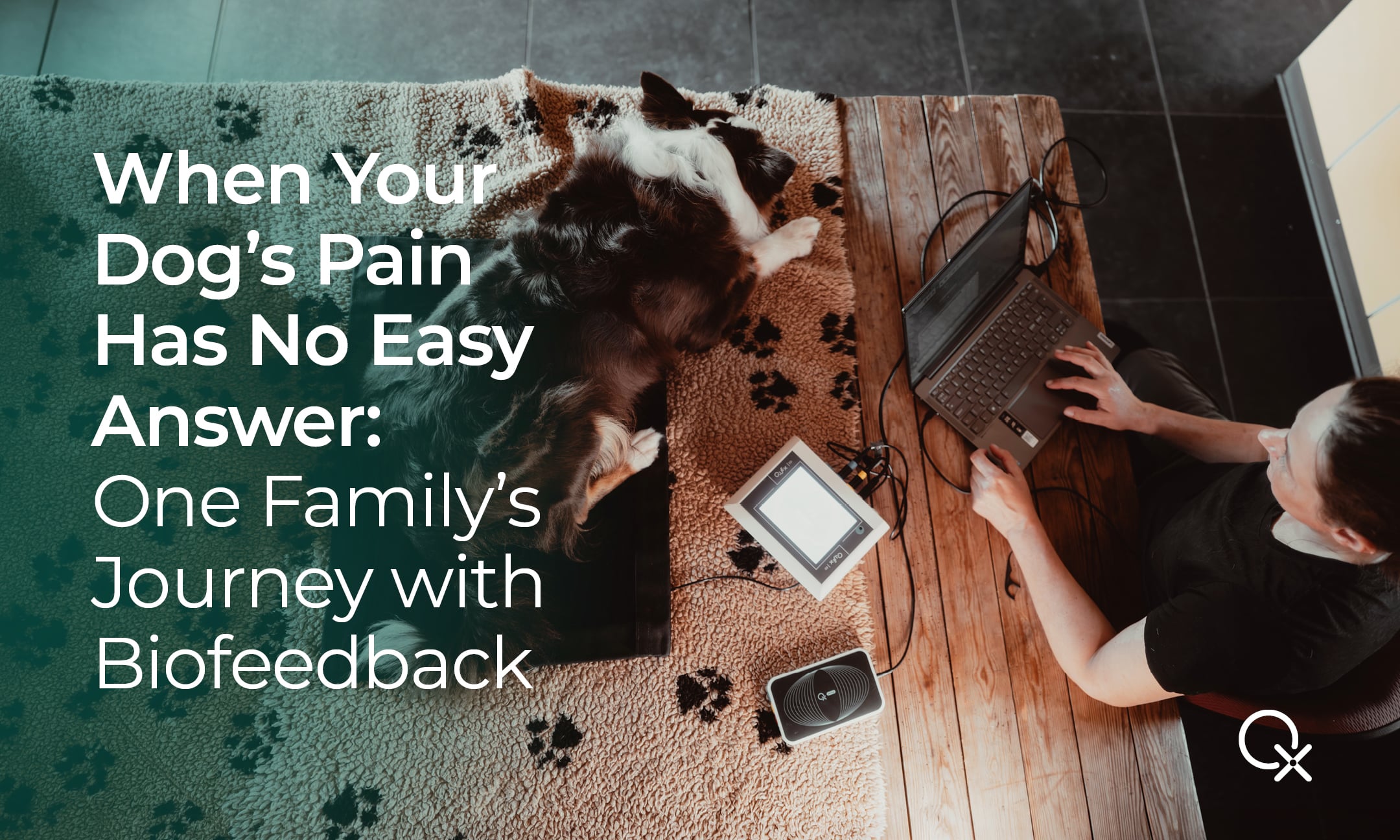
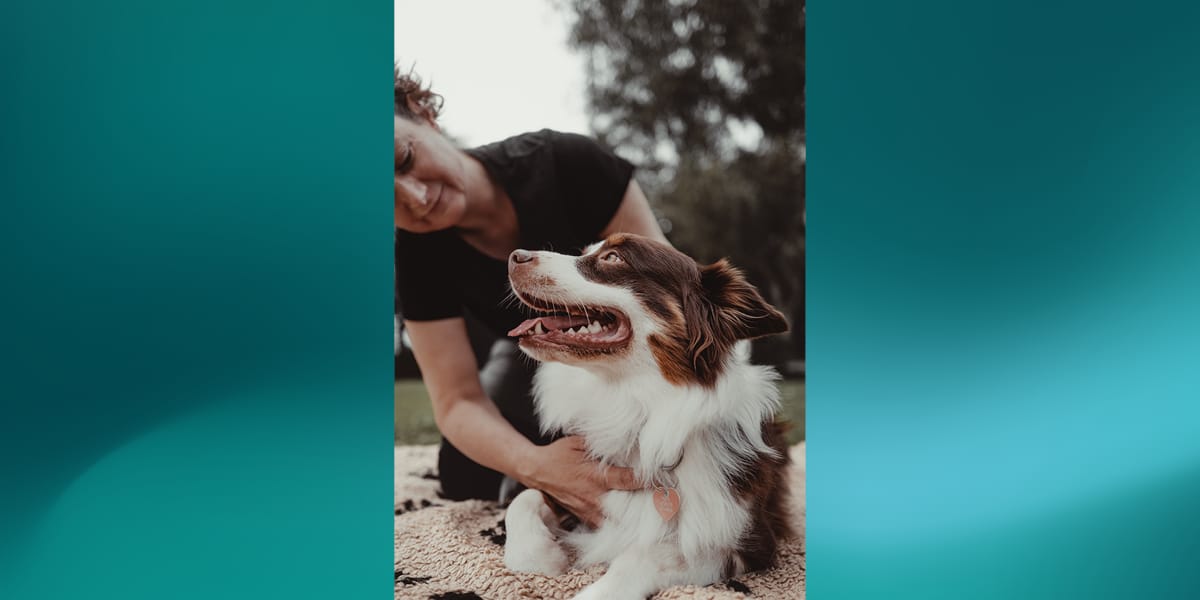
When Nahla began NOAH training, it truly was a last resort. The primary goal was pain relief. During the first four months, she received five training sessions. Initially, she was stressed by the NOAH blanket and attempted to move away. After the first two sessions, however, she began approaching the blanket on her own. As shown in the photo, she now clearly enjoys the sessions.

Changes Observed After the First Sessions
All other treatments and supplements were discontinued in order to evaluate the effects of NOAH training alone. Nahla showed steady improvement and, after the initial five sessions, demonstrated only grade 0.5–1 lameness. A trained eye is required to notice that she is not completely sound. Importantly, she has not returned to high-grade lameness at any point during the 1.5 years since starting NOAH training.
Utforsk Supportive Wellness for Dogs
The current goal is maintenance of function and comfort. Nahla now receives one session approximately every three months.
Why Joint Comfort and Emotional Balance Matter in Dogs
Dogs living with long-term joint or mobility challenges may experience more than physical discomfort. Reduced movement, repeated injury, activity restriction, and changes in daily routine may also influence stress levels, confidence, emotional balance, and overall quality of life.
A holistic wellness perspective looks at the whole animal, including movement, comfort, relaxation, stress response, environment, and daily support. For dogs with chronic mobility challenges, supporting calmness, balance, and general wellbeing may play an important role in maintaining quality of life.
How NOAH May Fit Into a Holistic Mobility Support Approach
NOAH may be used as a non-invasive wellness support tool within a broader care approach. In cases like Nahla’s, the focus may include relaxation, energetic balance, emotional wellbeing, comfort support, and overall quality of life.
NOAH is not intended to replace veterinary care, diagnosis, medication, physiotherapy, or rehabilitation. Instead, it may be considered as a supportive wellness approach for animals whose owners are looking for gentle, non-invasive ways to support balance and wellbeing.
Frequently Asked Questions
Can NOAH replace veterinary care for dogs with osteoarthritis?
No. Osteoarthritis and joint injuries should always be assessed and managed by a veterinarian. NOAH is not intended to replace veterinary diagnosis, medication, surgery, physiotherapy, or rehabilitation.
What does holistic mobility support mean for dogs?
Holistic mobility support looks at the dog’s overall wellbeing, including comfort, movement, relaxation, emotional balance, environment, and quality of life.
Why may emotional balance matter in dogs with long-term mobility issues?
Dogs with chronic discomfort or restricted movement may become more stressed, frustrated, sensitive, or less confident. Supporting relaxation and emotional balance may contribute to better overall wellbeing.
Can supportive wellness approaches help maintain quality of life?
Supportive wellness approaches may help owners focus on comfort, relaxation, balance, and daily wellbeing. They should be used alongside appropriate veterinary guidance.
Is NOAH intended to treat osteoarthritis or cruciate ligament injuries?
No. NOAH is not intended to diagnose, treat, cure, or prevent osteoarthritis, cruciate ligament injuries, or any disease. It may be used as a supportive wellness tool focused on balance, relaxation, and overall wellbeing.