A trăi cu ADHD la adulți: sfaturi și instrumente care chiar funcționează
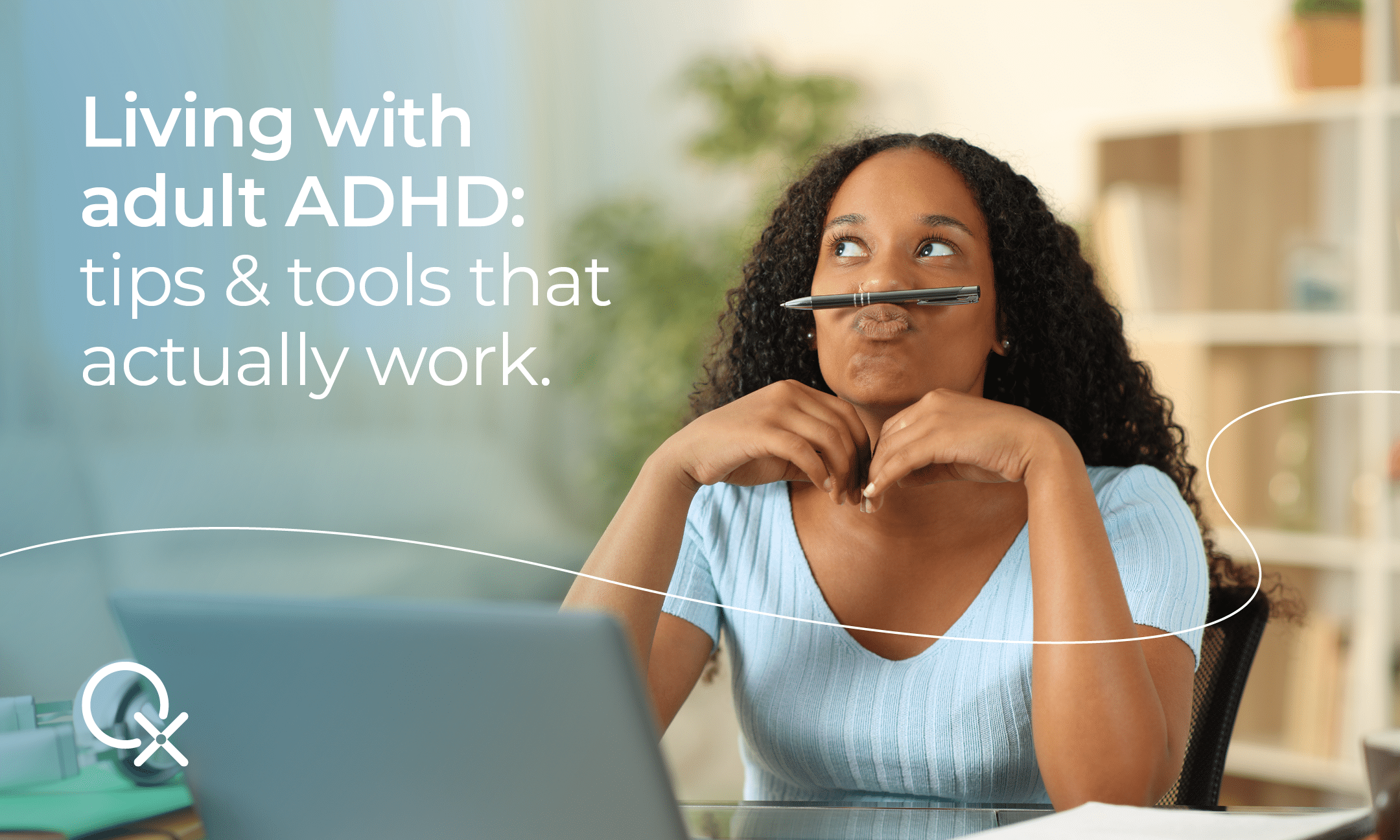
Most people associate ADHD with restless children or distracted teenagers. But Attention Deficit Hyperactivity Disorder isn’t just a childhood challenge – it’s a complex neurodevelopmental condition that often continues, undiagnosed and misunderstood, into adulthood. It impacts attention, emotional regulation, time management, and stress resilience. And it can shape our lives in ways we don’t even realize.
In this article, ADHD coach Monika Bolcskei shares how her own diagnosis changed everything – and why biofeedback became part of her personal and professional journey.
From burnout to breakthrough
Peste twentyyearsago, I left a mid-management career că avut left me drainedșiburned out. I needed a reset. A few luni later, I began teaching English in a school pentruneurodivergentcopii – kidscuADHD, autism, șilearningdifferences. As I workedcuthem, somethingclicked. Theirtraits (sensibilitate, creativity, distractibility, emotionalintensity) feltfamiliarpentru me. Veryfamiliar.
Discovering adult ADHD
Driven by curiosity, I trained as an ADHD coach, focusing on adults who struggled not because they lacked ability, but because their unique brains had never been properly supported. I never suspected I might be one of them – until I decided to better understand the assessment process. So, I went through it myself. “For research,” I told myself.
And then came the diagnosis.
Unmasking myself
It explained so much. Like many women with ADHD, I had masked my symptoms for years. I conformed, coped, and compensated – at a high cost. Underneath it all were anxietate, depression, and cycles of addiction.
Getting the diagnosis of ADHD didn’t change who I was. It gave me permission to stop pretending and start healing.
Saying no to drugs
Still, the moment of my ADHD diagnosis came with pressure. The psychiatrist urged me toward medication, even warning, “You might not survive without it.” That moment was terrifying. And it was also defining.
Instead, I chose to stay in charge of my own healing, trusting my instincts and exploring a holistic path. It wasn’t easy, but it was worth it.
Today, I’m medication-free, addiction-free, and living a grounded, healthy life. And that transformation has made me a better coach, a better trainer, and a more present human being.
Biofeedback cuantic
One of the most powerful tools I came across on my journey was biofeedback cuantic.
Biofeedback cuantic is a non-invasive technology that assesses stress patterns and rebalances the body’s frequencies using gentle electromagnetic signals. It aligned perfectly with my ADHD coaching work and somatic tools. It didn’t just address symptoms: it supported the whole person: body, brain, and emotion.
Now, as a certified practician de biofeedback, I use both coaching and quantum biofeedback to help my clients unlock their potential – and thrive in their uniqueness.
6 tips for dealing with adult ADHD
Peste ayears, I’vegatheredputernicinsightsambele as a coach șiprinlivedexperience ca someone diagnosed with ADHD. Here are six of a most practical șitransformative tools I recomandațipentruanyonenavigating viață cuadult ADHD, sau supportingsomeonewho is.
If you’ve been diagnosed with ADHD
Track your energy, not just time.Your focalizare follows your nervous system.
Listen to your body. Feeling overwhelmed and shutting down is a signal, not a failure.
Routines should be flexible, supporting rather than restricting yourself.
Speak your needs without shame. Sensitivity, downtime, and creative bursts are all valid.
Create your own optimal working environment. Light, sound, and texture all impact focus.
Explore non-medical tools. Biofeedback, coaching, mindfulness, meditație, and exercițiu are powerful allies and non-invasive.
Tips for biofeedback practitioners
Look for hyper-reactivity and stress load in the nervous system – even without a formal diagnosis.
Check emotional filtering systems in your protocols.
Support executive function areas (prefrontal cortex, corpus callosum).
Be aware of masking behavior – especially in high-functioning adults. Check clients’ conscious and unconscious emotions in the NLP panel.
Build trust before pushing protocols. Multe ADHD clients are trauma-informed and sensitive to control.
Stay curious.ADHD rarely travels alone: watch for sensory, digestive, hormonal, and emotional overlaps.
Final thoughts: what is ADHD?
ADHD means having a different operating system. Properly understanding it can shift everything. By combining the awareness of coaching with the frequency re-education of quantum biofeedback, anyone can move from (barely) coping with ADHD to thriving with it.
So, if this story resonates with you – as a practitioner, a parent, or a fellow traveler – know this: you are not broken. You are just wired differently. And that difference is your superpower.
Abouta autor Monika Bolcskei este un pioneer în ADHDcoaching in Hungary și a certifiedquantumbiofeedback practician. With a background in educație, HR, și a adânc commitment pentrucontinuouslearning, sheintegratesCompassionateInquiry, neurofeedback, șide ultimă orătechnologies ca aQUEX ED®în ei holistică coaching practice.
Publicat pe
Nu ratați ultimele știri de la QX World. Abonați-vă la buletinele noastre informative!